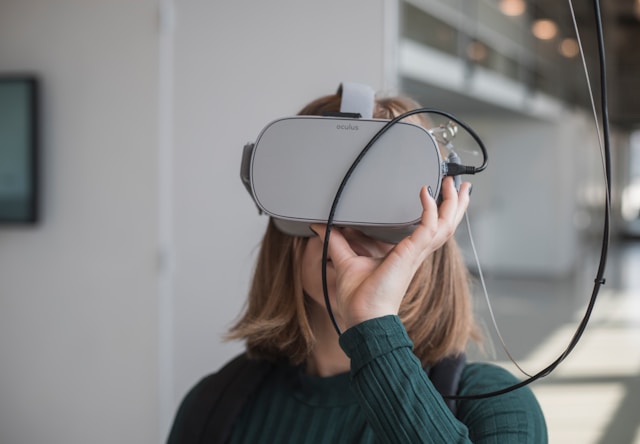
The Evolution of Virtual Reality: Bridging Digital Worlds and Physical Wonders
It’s kind of wild to think about how far we’ve come from those grainy, blocky graphics of the nineties. Back then, virtual reality felt like a fever dream from a sci-fi movie—something you’d see in The Lawnmower Man or a cheesy arcade, usually involving a headset that weighed as much as a bowling ball and made you feel like you’d just stepped off a spinning teacup ride at a carnival. Fast forward to now, and it’s a whole different story. VR isn’t just some gimmick for tech nerds anymore; it’s actually becoming a part of how we see the world, or at least, how we see digital versions of it.
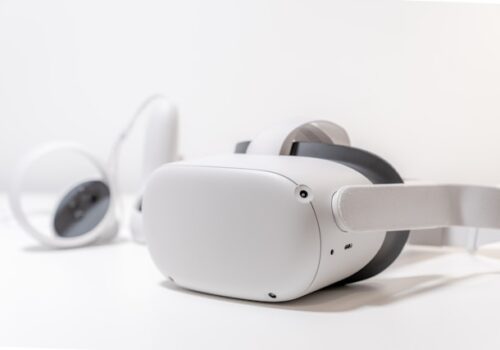
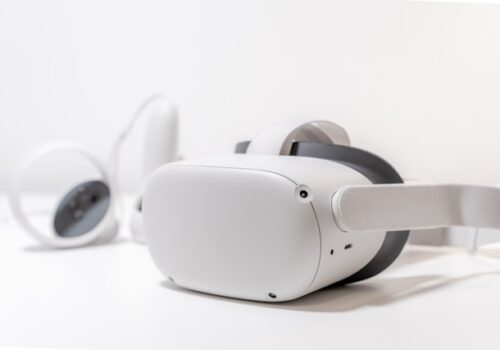
The transition from “bulky and impossible” to “sleek and wireless” didn’t happen overnight, but looking back, the leap feels massive. Ten years ago, if you told me I could strap a Meta Quest to my face and walk around my living room without a single cable tripping me up, I’d have said you were dreaming. But here we are. These modern headsets, including the high-end stuff like the PlayStation VR2, are pulling off some seriously impressive visual sorcery. They aren’t just showing you a screen; they’re tricking your brain into believing you’re actually there.
The “Oh Wow” Factor in Gaming
Let’s be real: gaming is the big driver here. It’s the reason most people even look at a VR headset in the first place. But it’s not just about better graphics. It’s about that weirdly intimate feeling of “presence.” When you’re playing a traditional game on a TV, you’re an observer. In VR, you’re a participant. You aren’t just clicking a button to duck; you’re actually crouching behind a digital crate, heart racing, while you wait for a virtual enemy to pass. There’s a physical memory that sticks with you. You remember reaching out to grab a sword or looking over your shoulder in a dark corridor. That level of immersion creates an emotional spike that a flat screen just can’t replicate, no matter how many 4K pixels you throw at it.
More Than Just Fun and Games
But honestly, focusing only on gaming does VR a bit of a disservice. It’s starting to bleed into the “serious” stuff in ways that are actually kind of moving. Take medical training, for instance. I’ve read about surgeons practicing incredibly delicate procedures in a virtual OR. Think about that—the ability to mess up, to fail, and to learn from those mistakes without a human life hanging in the balance. It’s a total game-changer.
And then there’s the classroom. Reading about the Roman Colosseum in a dusty textbook is one thing, but standing in the middle of it while a digital crowd roars around you? That’s the kind of stuff that sticks in a kid’s brain forever. It turns history from a list of dates into an actual experience. Architects are doing similar things, too. They’re walking clients through houses that don’t even exist yet. You can literally check if the kitchen island is too far from the fridge before a single brick is laid. It’s practical, sure, but it’s also a bit like magic.
Traveling Without the Jet Lag
One of the most interesting corners of the VR world is virtual tourism. Now, look, I know what people say: “It’s not the same as being there.” And they’re right! You can’t smell the street food or feel the actual humidity of a rainforest. But for someone who can’t travel—maybe due to money, or health, or age—VR is a literal lifeline to the rest of the planet.
Imagine you’re interested in the Caribbean, specifically Barbados. Most people think of white sandy beaches, but if you go to the rugged north coast, you find the Animal Flower Cave. It’s this incredible sea cave carved out by the Atlantic. In real life, you have to climb down these steep steps to get into it. With VR, you can stand in those natural pools, watching the waves crash against the openings in the cave wall, feeling that sense of scale. A high-quality VR capture of a place like that acts as a digital ambassador. It’s a “try before you buy” for the world. It might even be the thing that finally convinces you to book that flight to see the real thing.
The Social Side of the Void
We should probably talk about the “social” aspect, too. People used to think VR would make us all antisocial hermits, locked away in our goggles. But ironically, for a lot of people, it’s become a way to stay connected. During the lockdowns a few years back, VR hangouts were a godsend. There’s something about seeing a friend’s avatar move their hands while they talk—even if they look like a floating cartoon robot—that feels way more “real” than a flat Zoom grid. You’re sharing a space. You’re playing virtual poker or watching a movie together. It fills that human need for proximity in a way that’s hard to explain until you’ve tried it.
The Growing Pains
It’s not all sunshine and rainbows, though. We’ve got to be honest about the hurdles. First off, the “VR sweats” are real. Motion sickness is still a massive barrier for a lot of people. If the movement on the screen doesn’t perfectly match what your inner ear expects, your stomach is going to let you know about it.
Then there’s the “dork” factor. Let’s face it, we all look pretty ridiculous with a plastic box strapped to our faces, swinging our arms at invisible objects. Plus, there are the bigger, scarier questions about privacy. These headsets are tracking our eye movements, our room layouts, and our physical habits. That’s a lot of data for tech companies to have. And price? Yeah, it’s coming down, but a “good” setup still isn’t exactly pocket change for the average person.
Where Do We Go From Here?
So, what’s next? The tech isn’t slowing down. We’re looking at haptic suits that let you feel the “touch” of a virtual object or even the vibration of a digital wind. AI is going to make virtual characters feel less like scripted robots and more like actual people you can talk to. Some of the research into brain-computer interfaces sounds straight out of The Matrix—potentially letting us control digital worlds with just a thought.
At the end of the day, VR is about bridging gaps. It bridges the gap between where we are and where we want to be. It makes the “impossible” feel accessible. Whether you’re a doctor practicing a heart transplant, a student standing in ancient Greece, or just someone in their living room wanting to see the waves hit the cliffs in Barbados, VR is widening our perspective. It’s a bit messy, a bit clunky, and sometimes a bit weird, but it’s undeniably one of the most exciting things we’ve ever built.